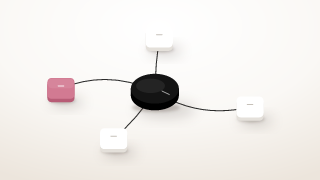
Pick by the layer you are buying, not by the feature list. Below roughly 15 reps, Yalc replaces Outreach or Salesloft outright because the per seat math does not survive the headcount. Above 30 reps with a phone motion and a manager who runs the floor off a dashboard, keep the platform and use Yalc to consolidate the upstream sourcing, enrichment, and signal tools the platform was never built to own. The deciding dimension is stack layer, not sequencer quality.
That single call settles most of the religious arguments. This piece extends the original Yalc vs Outreach breakdown by adding Salesloft and the part vendor decks skip, the consolidation playbook. We cover what each product ships in 2026, verified pricing from public sources, where Outreach and Salesloft still earn their price, where Yalc replaces them, and the hybrid pattern that lets a 30 rep team keep its sequencer while killing four upstream subscriptions.
On Outreach vs Salesloft head to head, the two are closer than either sales team admits. Outreach leans harder into AI account research and a dual model of seat access plus consumption credits. Salesloft leans into buying signal scoring through Rhythm and a tighter native dialer. For a phone first floor Salesloft usually edges it, for an AI assisted research motion Outreach does, and neither gap is wide enough to justify a migration between them on its own. The bigger decision is whether either per seat platform is the right layer at all, which is the whole point of adding Yalc to the comparison.
What do Outreach and Salesloft actually cost per seat
Neither vendor publishes a price. Both gate the number behind a demo, so every figure below comes from third party pricing trackers, not from an official rate card. That gating is itself the first signal of the cost model you are buying into.
Outreach lists by tier. Third party trackers put Amplify Core around $100 per user per month, Amplify Plus around $130, and Amplify Pro at $160 or more on a custom quote, per Woodpecker's 2025 Outreach pricing breakdown. Contracts are annual only, with no monthly billing and implementation fees that the same source places at $5,000 to $25,000 plus a platform fee of $2,000 to $5,000 per year on top of seats. Outreach also moved to a dual model, seat access plus consumption based AI credits, so the negotiated seat price is no longer the full bill.
Salesloft sits in the same band. Amplemarket's 2026 Salesloft pricing guide puts the Advanced plan at a $125 to $180 list that negotiates to $83 to $125 per user per month on an annual prepaid term, with the dialer running about $200 to $300 per user per year and implementation landing at $5,000 to $15,000. The pattern across both is identical. The base seat is the headline, and the dialer, conversation intelligence, data, and deliverability add ons are the real spend.
The non obvious read for an operator. Treat the published seat number as roughly half the true per rep cost once add ons, the platform fee, and implementation amortize across year one. A $120 seat is closer to a $200 all in seat for a 25 person team, and that is the number the consolidation math runs against.
What each product ships in 2026
Outreach runs Amplify as the cadence and dialer runtime, layers AI agents for account research and reply drafting, integrates deep with Salesforce and HubSpot, and ships conversation intelligence plus the manager dashboards a sales floor forecasts from. It is a hosted UI your reps live inside all day.
Salesloft occupies the same conceptual seat. Rhythm scores prospect signals by buying intent and feeds the next best action into the cadence, while Drift, the conversational marketing layer Salesloft acquired in 2021, folds web chat and inbound qualification into the same workflow. Cadence rigor, dialer integration, conversation intelligence via Kaia, and an established RevOps partner ecosystem are the real strengths.
Yalc is the opposite shape. A CLI first GTM operating system that runs from a Claude Code conversation, talks to data providers and messaging APIs directly, and stores every sequence as a plain markdown file. No hosted UI, no per seat fee, orchestration that is auditable and editable like code the operator owns. For the deeper pattern see the agentic GTM operating system breakdown. The trade is real. You give up the polished rep dashboard and the manager forecast view, and you take on owning the wires yourself.
Where do Outreach and Salesloft still win
There is a real category of team where ripping out either platform for Yalc burns a quarter and gains nothing, and an honest comparison has to name it.
A 30 plus rep SDR team with established cadences and a manager who runs Tuesday standup off the platform dashboard. A phone heavy motion in financial services, commercial real estate, or B2B logistics where dialer minutes are the leading indicator and the native dialer is doing load bearing work. A Salesforce native revenue org with a RevOps function that owns deep integration between the platform and the CRM. A board that wants per stage and per rep conversion rendered in the same place as cadence performance.
In those environments the per seat platform is not the problem, it is the system of record the team already trusts. Yalc was never built to replace the rep UI for a sales floor of that shape. The decision rule. If a sales manager would have to relearn how they run the team, the migration cost is political, not technical, and it almost always exceeds the software savings. The outbound lead generation playbook at that scale rewards platform consistency over tool optimization.
When does Yalc replace the platform outright
The replacement cases are a different shape of team, and they cover more buyers than the enterprise pricing model assumes. The solo founder running their own outbound. The GTM engineer at a 10 person SaaS who needs a sequencer twice a week. The agency owner running outbound for six clients without a per seat budget for each. The 5 person team that just told procurement no new SaaS line items.
For these teams Yalc replaces both Outreach and Salesloft. Cold email runs through Instantly for the wire, LinkedIn through Unipile for connected accounts, and signals come from a provider like Crustdata or PredictLeads. The cadence engine you would have paid per seat for becomes a markdown file an operator edits on a Tuesday night without booking an enablement session.
The math is decisive at this size. A 5 seat Outreach contract at roughly $120 per seat is about $7,200 per year in seats alone, before the $2,000 to $5,000 platform fee and implementation that Woodpecker's pricing data documents. A 5 seat Salesloft contract lands in the same range per Amplemarket. Yalc orchestrates the same work for the cost of the underlying APIs plus operator time, so the gap funds the entire data stack.
One thing Yalc does not exempt you from. If you send cold email at volume, the Gmail and Yahoo bulk sender rules that took effect in February 2024 still apply. Senders over 5,000 messages a day to Gmail or Yahoo need SPF and DKIM, a published DMARC record, one click unsubscribe, and a spam complaint rate under 0.3 percent. A hosted platform does not make that compliance happen for you, and neither does an open source one. The wire is the wire.
The consolidation play, keep the rep UI and move the upstream layer to Yalc
The interesting move is not at the small end of the market. It is at the 30 plus rep team that is happy with Salesloft and would refuse to migrate the rep facing UI. The play does not touch the platform. It collapses the upstream subscriptions the platform was never designed to own.
Salesloft keeps the rep UI. Reps still work cadences in Salesloft, the manager still listens to calls in Kaia, the forecast still rolls up where it always did. Yalc takes the upstream layer.
- Sourcing. Pull from Crustdata, Apollo, or an internal account list against an ICP defined in markdown, on a schedule, filtered by signal triggers.
- Enrichment. Waterfall through FullEnrich or Clay for emails and phones, output structured rows.
- Signal capture. Hiring announcements, funding rounds, executive moves, technographic shifts, scored and routed per ICP segment.
- Segmentation. Score each prospect against the ICP and pick the right Salesloft cadence variant before the rep ever sees it.
- Daily push. Drop the prepared list into Salesloft with the cadence assignment already chosen.
Reps notice only that the morning lists are cleaner and the personalization tokens line up. The manager notices only that the upstream tool budget shrank. Procurement cancels one sourcing tool, one enrichment tool, one signal vendor, and one workflow graph, the n8n or Zapier glue holding the wires together. The decision rule that makes this safe. Never touch the layer a human stares at all day, only the layer that already lives in spreadsheets and broken automations. Nobody defends a tool they hate maintaining. For the wider category map see the AI SDR tools landscape.
Per seat SaaS versus API and usage, the real cost shape
The cost shape drives the decision more than feature parity ever will, because the two models scale on different axes.
Outreach and Salesloft bill per seat. The line grows with headcount whether a rep sends 200 emails a week or 20, and add ons stack on top. A 25 seat team lands in the high five figures to low six figures annually before integrations, with the bill climbing every quarter another rep joins. The Outreach and Salesloft pricing data both show the same upward seat curve.
Yalc bills against the underlying APIs. Cold email volume drives Instantly cost, connected LinkedIn accounts drive Unipile cost, contact and signal data are priced by usage. The orchestration layer is one integration billed as one, so the marginal cost of an additional rep on the operating system side is zero. The bill grows with volume sent and data consumed, not with names on the org chart.
The crossover sits at different points for different teams. A 5 person team replacing the platform saves the full seat fee. A 30 rep team keeping Salesloft but consolidating four upstream tools saves the upstream stack. A 100 rep enterprise keeps the platform and uses Yalc only for adjacent plays, a new vertical experiment, a partner led ABM motion, or a hiring trigger campaign the platform was never built to run.
Yalc vs Outreach vs Salesloft at a glance
| Dimension | Yalc | Outreach | Salesloft |
|---|---|---|---|
| Shape | CLI and Claude Code, sits above your stack | Hosted per seat platform | Hosted per seat platform |
| Pricing model | Underlying API and usage only | Per seat plus AI credits plus platform fee | Per seat plus dialer and add ons |
| Published seat price | None, one integration billed as one | None public, third party trackers cite about $100 to $160 | None public, third party trackers cite about $83 to $180 |
| Rep facing UI | None by design | Polished, manager dashboard | Polished, manager dashboard, Kaia |
| Cadence storage | Editable markdown files | Hosted, gated behind UI | Hosted, gated behind UI |
| Best for | Solo to roughly 15 reps, or upstream layer at scale | 30 plus reps, phone motion, RevOps | 30 plus reps, signal led cadences |
| Lock in | Forkable, you own the wires | Annual contract, implementation fee | Annual or multi year, implementation fee |
Pricing cells reflect third party trackers (Woodpecker, Amplemarket), since neither vendor publishes rates.
The honest pick by team profile
- Solo founder or 1 to 3 person GTM team. Run Yalc, skip both platforms. The per seat math does not survive this headcount and you do not need a hosted UI to send 200 emails a week.
- 5 to 15 person team without a phone motion. Run Yalc. Spend on data and infrastructure, run cadences from markdown. Iteration speed and stack ownership pay back faster than any platform feature you would have used.
- 15 to 30 reps with a phone motion and a manager who runs the floor off dashboards. Pick one platform on team preference and pair it with Yalc for the upstream work. The hybrid earns its keep here.
- 30 plus reps with established workflows. Do not rip anything out. Keep the platform as the rep UI and use Yalc to consolidate the four upstream contracts you do not need. The consolidation pays back in roughly one quarter and the SDR team never notices the swap.
Frame the question by team size and by the layer you are deciding about and it stops being religious. Below 15 reps Yalc replaces the platform. Above 30 reps Yalc replaces the upstream stack while the platform keeps the rep facing motion. In the middle you pick one platform and pair it with Yalc. Not 15 tools chasing one workflow, one operating system running the work the platform was never built to handle.
Frequently Asked Questions
How much do Outreach and Salesloft cost per user?
Neither vendor publishes pricing, so all figures come from third party trackers. Outreach is cited at roughly $100 to $160 per user per month across its Amplify tiers, with annual contracts and a $2,000 to $5,000 yearly platform fee plus implementation on top. Salesloft is cited at roughly $83 to $180 per user per month depending on plan and term, with the dialer adding about $200 to $300 per user per year.
Can Yalc replace Outreach or Salesloft completely?
For teams under about 15 reps, yes. Yalc runs the cadence as markdown and pushes email through Instantly and LinkedIn through Unipile, so it covers the full sequencer job without a per seat fee. For larger teams with a phone heavy motion and a manager who forecasts off the platform dashboard, Yalc is better used alongside the platform rather than instead of it.
What is the consolidation play with Yalc?
It means keeping the hosted platform as the rep facing UI while moving the upstream sourcing, enrichment, signal capture, and segmentation to Yalc. The reps keep working cadences where they always did, and procurement cancels the separate sourcing, enrichment, signal, and workflow tools. It saves the upstream stack without forcing a team to relearn its sequencer.
Does using Yalc for cold email avoid the Gmail and Yahoo sender rules?
No. The Gmail and Yahoo bulk sender requirements that took effect in February 2024 apply to anyone sending over 5,000 messages a day to those inboxes, regardless of the tool. You still need SPF, DKIM, a DMARC record, one click unsubscribe, and a spam complaint rate under 0.3 percent. Yalc orchestrates the sends through Instantly, but the authentication and list hygiene are your responsibility either way.
Which is better for a phone heavy SDR motion?
Outreach or Salesloft. Both ship native dialers, call recording, and conversation intelligence that a phone first floor relies on, and the manager visibility into call activity is load bearing for that motion. Yalc has no native dialer, so a team where dial minutes are the leading indicator should keep the platform for the rep facing work and consider Yalc only for the upstream list building.