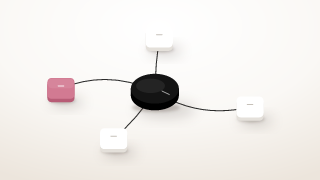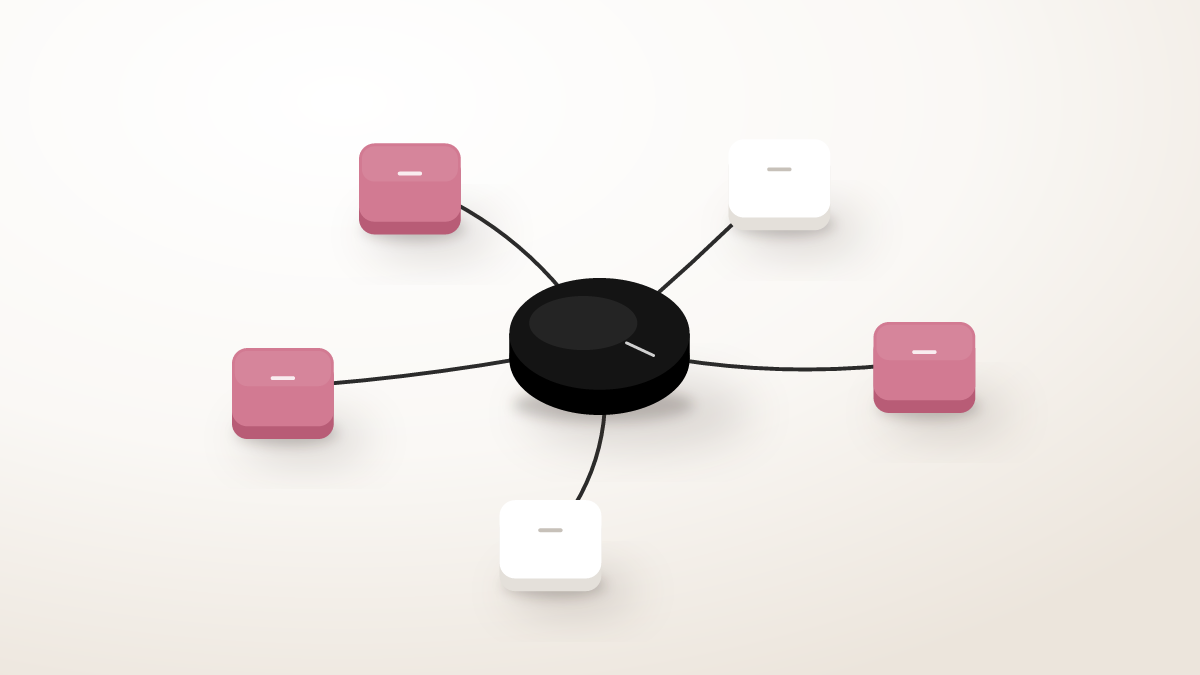
The best AI SDR platforms in 2026 fall into four categories. Agent canvases like Clay, workflow operating systems like Yalc, point tools like Instantly and Unipile, and full SDR replacements like Artisan and AiSDR. The right pick depends on team size and how much of the workflow you want to own yourself, not on which vendor outspends the others on the SERP.
Every "10 best AI SDR" listicle ranks the same six vendors in a slightly different order, quotes pricing that went stale months ago, and calls it a buyer's guide. That is not a map. This is the operator's map. Four categories, ten platforms, pricing pulled from vendor pages this week, and the stack pattern that compounds by team size. If you read it and still buy the wrong layer, at least you will do it on purpose.
What an AI SDR platform actually does in 2026
The vendor pitch is a fully autonomous agent that prospects, writes, sends, replies, and books meetings while you sleep. The operator reality is more useful. An AI SDR platform is whatever combination of data, automation, and messaging your team uses to run the middle mile of outbound, meaning sourcing, enrichment, sequencing, classification, and signal capture, while a human keeps the first mile (ICP and angle) and the last mile (the discovery call and the deal).
The shift in 2026 was not autonomy. It was orchestration. Buyers got noisier, inboxes got smarter, and any tool that ships a single black box for "outbound" loses to a stack you can inspect, edit, and rerun. If a vendor cannot show you the prompt that writes your emails, you are renting their playbook, not building yours. For the deeper version of this argument, see the operator's map of the AI SDR tools landscape, or read the best AI SDR tools according to Reddit for how operators actually rate each platform.
The 4 categories of AI SDR platforms
Every product calling itself an AI SDR is one of four things. Mixing them up is how teams end up paying for three tools that do the same job in different UIs.
Agent platforms
A canvas where you compose data lookups, AI prompts, and conditional sends into a row by row workflow. Clay is the dominant pattern.
Workflow operating systems
A layer that orchestrates everything else from one place, with its own database and runtime. Historically n8n, Make, and Tray. In 2026 the category includes Yalc, a markdown configured operator OS that sits above your stack instead of living in a vendor cloud.
Point tools
A single agent or service that does one job inside a larger workflow. Instantly for cold email infrastructure. Unipile for LinkedIn automation. Crustdata for B2B data API access.
Full SDR replacements
A vendor sells you a managed AI SDR that sources, sends, replies, and books with no operator in the loop. Artisan, AiSDR, 11x.
Two rules before we go deeper. First, you almost certainly want platforms from two of these categories, not all four. Second, the workflow OS layer is the one most teams underbuy, because the SERP barely acknowledges it exists. More on why below.
Agent platforms, the new core (ranks 1 to 3)
Agent platforms run the row by row work that used to live in a thousand line Google Sheet.
1. Clay
The category leader and the workflow everyone imitates. You build a table, fan out prompts and enrichment calls across each row, and pipe the cleaned output into your sender. In March 2026 Clay reworked its model into a dual credit system that separates Data Credits (marketplace enrichment) from Actions (platform operations), per Clay's live pricing page. Current self serve tiers are Free (500 actions, 100 data credits per month), Launch from $167 per month (15,000 actions, 3,000 data credits), Growth from $446 per month (40,000 actions, 6,000 data credits), and Enterprise custom. Most ranking articles still quote a $149 "Starter" tier that no longer exists. The operator catch with the new model is that data and actions now drain on separate meters, so a workflow that looked cheap under the old single credit math can surprise you on reruns. Clay shines for one off enrichment and big experimental pulls. It punishes weekly iteration once usage climbs, because every rerun spends from both meters.
2. Apollo.io
The bundled platform with its own contact database, sequencer, and a thick layer of AI features on top. Entry pricing sits around $49 per month per user, which is why small teams default to Apollo when they want a single bill. The data is wide but not always sharp at the edges. AI personalization is fine for medium intent prospects and less convincing for senior buyers who read a lot of cold email.
3. Amplemarket (Duo)
The mid market choice, often pitched as "Apollo with more polish." Custom pricing in the four figure per month band per most third party reviews. Duo is the AI agent layer. Worth a look if your team already lives in Amplemarket. Not worth the migration if you do not.
Agent platforms are the new core because they give you per row control, an inspectable workflow, and a place where signal data and enrichment meet message generation. They are also where bills balloon if you treat them as the operating system instead of one layer of it.
Workflow OS, the underbought layer (ranks 4 to 6)
This is the layer most ranking articles skip. The workflow OS sits underneath your agent platform and your point tools and orchestrates them as one system. Skipping it is why so many stacks read as a pile of subscriptions rather than a pipeline.
4. Yalc
A markdown configured operator OS that sits above your data and messaging vendors and talks to them through one integration billed as one. Inspectable playbooks, no per seat pricing. The pitch is one conversation instead of a fifteen tool stack. You keep your data vendor for sourcing, your sender for cold email, your LinkedIn API for invites, and Yalc orchestrates the lot from a single prompt. The property that matters most for AI SDR work is that every prompt and every workflow lives in a markdown file you can edit, version, and review like code. That is the answer to the "show me the prompt" test by default.
5. n8n
The open source workflow graph. Drag nodes, wire them together, hit run. Great for engineers who like graphs. It gets painful past 30 to 40 nodes when ownership goes ambiguous and every vendor API change forces a node update. Self hosted is free. Cloud starts at €20 per month on the Starter plan billed annually, per n8n's pricing page, with the trap that workflows halt the moment you cross the execution cap.
6. Tray.io
The enterprise end of the same category. Built for ops teams with a real automation owner and a budget to match. Custom pricing, almost always five figures annually.
A workflow OS is what compounds your stack. An agent platform is where you experiment. A point tool is where you specialize. If you invest in only one layer here, make it the OS, because it is the layer that survives every other vendor swap.
Point tools that fit the stack (ranks 7 to 8)
Point tools do one job better than anything else. Buying them is rarely the question. Wiring them in is.
7. Instantly
The cold email infrastructure of choice for modern outbound. Outreach plans on Instantly's pricing page run Growth at $47 per month (5,000 emails, 1,000 contacts), Hypergrowth at $97 per month (100,000 emails, 25,000 contacts), and Light Speed at $358 per month (500,000+ emails), as confirmed in Woodpecker's June 2026 pricing breakdown. The leads database, CRM, and add-on modules bill separately, so a realistic working setup lands well above the $47 headline. Strengths: warmup, sender rotation, inbox placement testing. Weakness: it is a sender, not a system. Wire Instantly into your workflow OS and the compounding shows up.
8. Unipile
The LinkedIn API access layer for teams that want LinkedIn outreach automation driven by their own automations instead of by a closed UI. Unipile underpins many AI SDR plays that send through LinkedIn. The vendor positioning is a messaging API across LinkedIn, email, and WhatsApp. The operator use case is "I want LinkedIn invites and replies living inside my own workflow, not inside another vendor's tab."
Point tools also include data APIs. Crustdata is the operator default for firmographic data, hiring signals, and contact lookups. Buy it as part of the stack, not as the stack.
Full SDR replacement plays (ranks 9 to 10)
The most aggressive category. A managed AI SDR that sources, writes, sends, replies, and books with no operator in the loop.
9. Artisan (Ava)
The full stack BDR pitch. Sources, enriches, writes, and sends across email and LinkedIn from one product. Pricing from Artisan's live pricing page: Free with 300 credits per month, Intern at $250 per month billed annually (12,000 credits), Employee at $600 per month billed annually (30,000 credits), and Enterprise custom. Most competitor articles miss the free tier. Artisan works when your ICP is wide, your offer is simple, and you genuinely do not want to write the prompt yourself.
10. AiSDR
The transparent pricing entry in the replacement category. AiSDR widened its lineup in 2026 and now starts below its old $900 floor. Per AiSDR's live pricing page, Solo is $250 per month month to month (200 researched contacts, 1 domain), Explore is $900 per month on a quarterly commitment (800 contacts, signal tracking, a dedicated GTM engineer onboarding), and Scale is $2,500 per month (2,500 contacts, Salesforce). Strengths: clear public pricing and fast setup. Weakness: opaque prompts. You see what the AI sends after it sends, not what it would have sent or why.
Honorable mention: 11x.ai (Alice plus Julian). Custom pricing, typically reported north of $5,000 per month based on third party accounts. Best fit for enterprise teams with very large undifferentiated total addressable markets where the phone agent earns its keep.
Two operator rules for this category. First, ask to see the prompt. If the vendor will not let you read it, you are renting a playbook. Second, watch the brand tone on outbound, because the replacement category sends from your domain and your inbound prospects do not separate the bot from the brand. That tone risk got sharper after the Google and Yahoo bulk sender rules took effect in February 2024, which require one click unsubscribe and a spam complaint rate under 0.3 percent for anyone sending over 5,000 messages a day to Gmail, per Google's sender guidelines. A managed bot that trips that threshold burns your domain, not the vendor's.
The 10 platforms head to head
One table, all ten platforms, so you can see the gap each vendor carries before you read the fine print. Prompt access is the operator question that decides whether you own the playbook or rent it. Rerun cost is what the pricing model does to a workflow you run every morning rather than once. The feature gap is the one thing each platform makes you solve elsewhere. Pricing was verified on vendor pages in June 2026.
| Platform | Category | 2026 entry price | Prompt access | Rerun cost | The gap you still solve elsewhere |
|---|---|---|---|---|---|
| Clay | Agent platform | Launch $167/mo (15,000 actions, 3,000 data credits) | Editable per row, inside the vendor canvas | High, two meters drain on every rerun | No orchestration layer, so a daily loop taxes both meters |
| Apollo.io | Agent platform | About $49/mo per user | Templated, limited prompt control | Per seat, so cost climbs with headcount not usage | Personalization thins out for senior buyers who read cold email |
| Amplemarket (Duo) | Agent platform | Custom, four figures per month per third party reviews | Agent layer, prompt access not exposed | Bundled seat, opaque at the margin | Migration cost unless your team already lives in Amplemarket |
| Yalc | Workflow OS | Paid, one integration, no per seat pricing | Full, every prompt lives in an editable markdown file | None, rerun freely with no meter | Nothing in the middle mile, you still bring your own data and sender |
| n8n | Workflow OS | Cloud from €20/mo, self hosted free | Node level, logic buried in graph state | Execution cap, workflows halt when you cross it | Ownership blurs past 30 to 40 nodes, every API change forces a node update |
| Tray.io | Workflow OS | Custom, usually five figures annually | Enterprise config, not operator facing | Contract based, built for a dedicated owner | Needs a real automation owner and budget to match |
| Instantly | Point tool | Growth $47/mo (5,000 emails, 1,000 contacts) | No message prompt layer, it is a sender | Add on modules bill on top of the headline | It sends, it does not orchestrate, so you still need the OS above it |
| Unipile | Point tool | API access layer, usage based | No prompt layer, it is an access API | Usage based per action | LinkedIn access only, the workflow logic lives elsewhere |
| Artisan (Ava) | Full replacement | Free 300 credits, Intern $250/mo billed annually | Hidden, you see the send after it ships | Credit based, climbs with contact volume | You cannot read the prompt, so an off brand run is a support ticket |
| AiSDR | Full replacement | Solo $250/mo month to month | Opaque, output visible only after the send | Contact tiers, jumps hard between plans | No prompt visibility, brand tone risk on your own domain |
Read the table top to bottom and the pattern is the one the ranked list argues. The platforms that hand you the prompt sit in the agent and workflow OS rows. The ones that hide it sit in the full replacement rows, where the gap you solve elsewhere is trust in what the bot actually sent. Honorable mention 11x sits off the table with custom pricing typically reported north of $5,000 per month, and the same hidden prompt problem as the rest of the replacement row. For a direct head to head on the two replacements teams most often shortlist against each other, the 11x vs Artisan breakdown weighs price, control, and where each one actually fits.
The 2026 feature gaps the SERP leaders still miss
Every ranked list treats these platforms as interchangeable feature bags. They are not. The gaps that decide fit in 2026 barely show up in the standard buyer's guide, so here they are plainly.
The first gap is prompt ownership. Agent platforms and workflow OS layers hand you the prompt. Full replacements hide it. That single line splits the market in half and predicts every downstream trust problem.
The second gap is the meter shape. Clay's March 2026 split into Data Credits and Actions turned a one dimensional bill into a two dimensional one, so a daily loop that looked cheap now drains two meters at once. Per seat tools like Apollo climb with headcount, not usage. A workflow OS with no meter is the only shape where reruns are free, which matters most for the iterate weekly work that outbound actually is.
The third gap is the CRM write path. Bundled tools sync natively, agent platforms lean on connectors plus webhook glue, and replacements vary. The clean 2026 pattern is a single owner of the write path so five tools stop fighting over the same record. That is the orchestration layer, and it is exactly what the AI native outbound stack is built around.
If you only remember one thing from the head to head table, remember that the platforms handing you the prompt sit in the agent and workflow OS rows, and the ones hiding it carry the trust gap you solve elsewhere. For how operators rate each platform in the wild, cross read the best AI SDR tools according to Reddit and do AI SDRs actually work according to Reddit.
How to actually evaluate an AI SDR platform
The SERP version of "how to choose" is a checklist of features. The operator version is a checklist of contracts the vendor either honors or dodges.
Show me the prompt
Can you read and rewrite the prompt that generates each outbound message? If no, the vendor owns your playbook and your voice.
Show me the data
Where does the contact data come from? If the answer is "our proprietary database," ask which provider it wraps. Most wrap a public API plus a scrape, and the cost of that wrapper is your margin.
Show me the audit log
Can you replay an outbound run end to end, with inputs, prompts, sends, and replies? If no, debugging the next failure takes a week.
Show me the cost curve
Is pricing per seat, per credit, per send, or flat? Per credit punishes iteration, and Clay's March 2026 split into Data Credits and Actions made that math two dimensional. Per seat punishes growing teams. Flat pricing is rare and usually hides a tier ceiling. Read the model before you sign.
Show me who owns the workflow
A markdown file owned by your team beats a graph owned by a vendor. A graph you own beats a black box you rent. That hierarchy holds across every category here. For the broader operator playbook on how outbound compounds, see the B2B lead generation playbook.
Stack pattern by team size
The right stack depends on team size and lead volume, not on hype. Three operator level patterns.
| Team size | Data | Sending | Orchestration | Skip |
|---|---|---|---|---|
| Solo or 1 to 3 people | Crustdata | Instantly Growth | Workflow OS (Yalc) | Agent platform |
| 5 to 15 with an ops owner | Crustdata + Unipile | Instantly + Unipile | Workflow OS, ops owns the files | Full replacement |
| Series A or B outbound team | Crustdata + enrichment vendor | Instantly + Unipile | Workflow OS glued to CRM | Full replacement unless ICP is wide |
Solo founder or 1 to 3 person team
Crustdata for data, Instantly for sending, a workflow OS for orchestration. Skip the agent platform, because you do not have the volume to justify per credit pricing. A markdown configured OS spins up faster than a Clay table for a workflow you will iterate weekly.
5 to 15 person GTM team with a dedicated ops person
Add Unipile for LinkedIn and keep your CRM as the system of record. The ops person owns the markdown files in your OS, and sales owns the calls. Add Clay only when you have a specific one off workflow that benefits from the spreadsheet UI for a non technical user.
Series A or B with a real outbound team
Use Clay where it shines, meaning one off enrichment, complex waterfalls, and big experimental pulls. Run Crustdata plus an enrichment vendor as the steady state data layer. Send through Instantly and Unipile. Use the workflow OS to glue everything to your CRM. Avoid the full replacement category unless your ICP is wide and undifferentiated.
The pattern across all three sizes is the same. Buy the tools that produce real data and real sends. Stop buying tools that exist only to wire other tools together.
What to do this week
Open your AI SDR stack and label each tool as agent platform, workflow OS, point tool, or full replacement. Most teams are paying for two tools in the same category that do almost the same job. Cancel one.
Then write down the workflow you actually want to run, not the one your tools currently support. Read it back. Anything in the middle mile (sourcing, enrichment, sequencing, classification, logging) belongs to a workflow OS. Anything in the first mile (ICP, angle, message rewrite) or last mile (the call) stays with the human.
Run that workflow once, by hand, on five real prospects, and time each step. The steps that took longest are exactly the ones a markdown configured operator OS should own next. If your stack has no OS layer yet, that is the gap to close before the next agent platform invoice arrives. The starting point for that layer is the orchestration pattern walkthrough.
That is the AI SDR play that compounds in 2026. Not fifteen tools. One conversation that runs the whole stack.
Frequently Asked Questions
What is an AI SDR platform?
An AI SDR platform is software that handles middle mile outbound work, meaning sourcing prospects, enriching them, drafting messages, sequencing sends, and classifying replies, without a human running every step. In 2026 the category covers four very different products: agent canvases, workflow operating systems, point tools, and full SDR replacements. Picking the wrong category is the most common and most expensive mistake.
Which AI SDR platform is best in 2026?
There is no single best, because the categories solve different problems. The best agent platform is Clay if you accept per credit pricing. The best workflow OS is a markdown configured layer like Yalc if you want to own your prompts. The best point tools are Instantly for sending and Unipile for LinkedIn. The best full replacement is AiSDR for transparent pricing or Artisan for a free tier to test. Pick by category first, then by team size.
How much do AI SDR platforms cost in 2026?
The range runs from free to north of $5,000 per month. Self hosted open source workflow graphs like n8n are free. Point tools like Instantly start at $47 per month for the Growth plan. Agent platforms like Clay run $167 to $446 per month for self serve. Full replacements like AiSDR start at $250 per month for Solo, and Artisan's Intern tier is $250 per month billed annually. All prices were verified on vendor pages in June 2026. To compare platform seat cost against hiring a rep and against an operator-run agent stack with your own headcount and OTE, the AI SDR cost calculator runs all three scenarios side by side.
Can AI SDR platforms replace human SDRs?
For a narrow shape of business, yes. For most B2B teams selling considered purchases, no. AI handles the middle mile well, but it does not yet handle the first mile (judgment about who to target and why) or the last mile (the call, the negotiation, the relationship). The honest framing is augmentation, not replacement, and do AI SDRs actually work according to Reddit collects the operator sentiment behind that read.
Do AI SDR platforms integrate with CRM systems?
Most do, with caveats. Bundled platforms like Apollo have native sync to HubSpot and Salesforce. Agent platforms like Clay rely on prebuilt connectors plus webhook glue. Full replacements vary widely. The cleanest pattern in 2026 is a workflow OS that owns the CRM write path, so every tool writes through one place instead of five tools fighting over the same record.
How long does it take to set up an AI SDR platform?
Plan two to four weeks before a first reply you would be proud of, regardless of vendor claims. Full replacements reach a first send fastest, often inside a week, but the first month of replies is usually rough. Agent platforms take longer to wire up and produce better quality once configured. Workflow OS layers take a few days for the orchestration and then compound week over week as you refine prompts.